Uncover the many facets of Japan at a relaxed pace, allowing time to truly experience its timeless traditions, vibrant cities, scenic countryside, and warm hospitality. From ancient temples and tranquil gardens to iconic landmarks and authentic cultural encounters, this thoughtfully curated journey offers the perfect blend of discovery, comfort, and immersive travel.
Welcome to Japan!
Meeting point: Arrival lobby
Upon arrival at Kansai Airport, our English-speaking driver will meet and greet you at the airport and assist you with transfer in a private vehicle to the hotel.
Check in at the hotel and the rest of the day at leisure.
After Tokyo, Osaka has the second-largest metropolitan area in Japan. For many centuries, it has served as the Kansai Region's economic engine. Naniwa was the previous name for Osaka. Naniwa was previously Japan's capital city, the first one ever known, before the Nara Period, when it was moved with the rule of each new monarch.
Note; This itinerary arrangement is made for 1 big luggage per person. If you have more, please let us know so we can adjust.
Overnight in Osaka
In the morning, we recommend you send your big luggage to Hiroshima with the help of your hotel front desk and to keep a small bag for a night. (not included)
Tour duration: 12:00-20:00 Meeting Point: In your hotel lobby
Today you will explore in Osaka together with your English-speaking guide by public transportation.
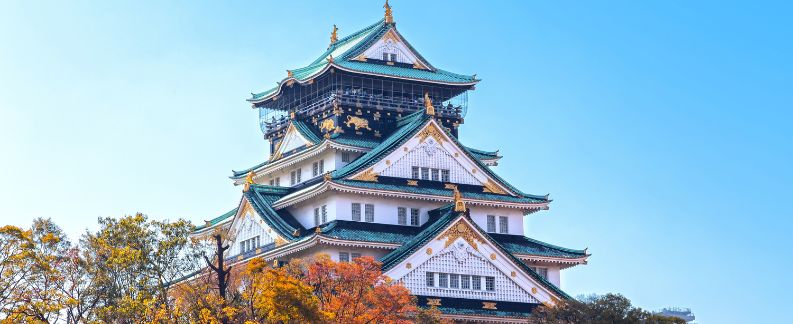
Osaka Castle: Toyotomi Hideyoshi intended the castle to become the center of a new, unified Japan under Toyotomi rule. It was the largest castle at the time. The castle tower is now entirely modern on the inside and even features an elevator for easier accessibility. It houses an informative museum about the castle's history and Toyotomi Hideyoshi.
Kuromon Market, a covered public market that stretches around 600 meters’ parallel to Sakaisujidori Street in the Minami area of Osaka. The market has about 150 shops that predominantly sell fish and meat, with
other shops also purveying traditional sweets and low priced clothes & home ware.
Discover Dotonbori A dining mecca that has long been dubbed Osaka's entertainment district. It's known for its bright neon lights, energetic shopkeepers, and food vendors stocked with some local Osakan delicacies like takoyaki (squid balls) and fugu (poisonous puffer fish).
Head to Shinsekai district, filled with many restaurants.
Kushikatsu: One of Osaka's most well-known delicacies is kushikatsu. It is a dish made up of different dishes that have been deep-fried, battered, and skewered. The choices include chicken and beef, pumpkin and asparagus,
and desserts with bananas and ice cream. Although many of Shinsekai's kushikatsu eateries are open around-the-clock, it is at night when they really come to life.
Overnight in Osaka
Meal(s): Breakfast
Tour duration: 10:00-16:00 Meeting Point: Hotel lobby
Temple, and a few art museums.
After breakfast and check out from the hotel, meet your English-speaking guide and transfer to Shin Osaka station. Board the bullet train to Himeji station. (included, 1st class)
Upon arrival explore Himeji with your guide by public transportation.
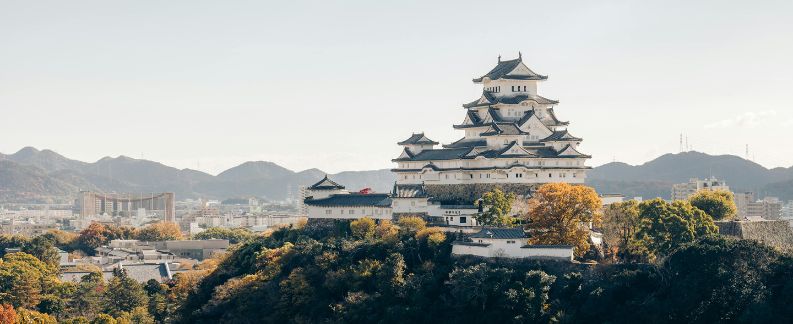
Himeji Castle: one of the top three most stunning original castles in Japan is Himeji's main draw and a UNESCO World Heritage Site. While seeing Himeji Castle is the main attraction of a day trip to Himeji, the city also offers a number of other attractions, including Koko-en Garden, Shoshazan Engy-ji
After visiting Himeji Castle, the tour will end at Himeji station. Take the bullet train to Hiroshima station. (included, 1st class). Upon arrival, transfer to your hotel on your own. Check in at the hotel and the rest of the day at leisure.
Overnight in Hiroshima
Meals: Breakfast
Tour duration: 10:00-17:00 Meeting Point: In your hotel lobby
Today, your English-speaking guide will take you to Miyajima Island by public transportation.
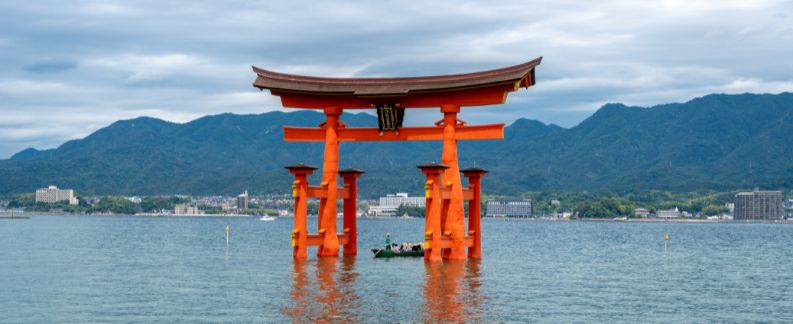
We’ll take a ferry to the island and visit the Itsukushima shrine, the source of both the island's fame and its name. Formally named Itsukushima, the island is more popularly known as "Miyajima", literally "shrine island" in Japanese, thanks to its star attraction. The shrine is known worldwide for its iconic "floating" torii gate.
Continue to the inside of the island and take the ropeway up to Mt. Misen Observatory. At 500 meters above sea level, Mount Misen is the highest peak on Miyajima. On clear days, it offers spectacular views of the Seto Inland Sea and as far as Hiroshima City.
Overnight in Hiroshima
Meal(s): Breakfast
In the morning, we recommend your send your big luggage to Kyoto with the help of your hotel front desk and keep a small bag for a night. (not included)
Full day at leisure.
Below are some of our recommendations.
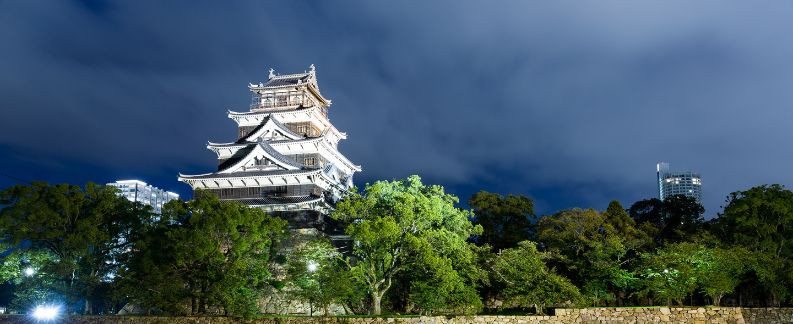
Hiroshima Castle, also called the Carp Castle. Its main keep is five stories high, and its grounds are surrounded by a moat. But Hiroshima is most well-known f or its tragic past. The city was largely destroyed by an atomic bomb during World War II – an event that changed Japan, and the world, forever.
However, the city rose from the ashes and the beautiful Peace Memorial Park is now an UNESCO World Heritage Site. The Atomic Bomb Dome has become a symbol of peace, visited by pilgrims from around the world and is a testament to the resilience of the city's people.
Overnight in Hiroshima
Meal(s): Breakfast
After breakfast and check out from the hotel, head on your own Hiroshima station and board the bullet train to Kyoto station (included, 1st class). Upon arrival, head on your own to your hotel.
The remaining hours of the day are free until your Japanese tea ceremony. Below are our recommendations.
Enjoy a Japanese tea ceremony in the afternoon (included). The ceremony is a carefully choreographed ritual that offers the ultimate in Japanese hospitality. As well as trying out a cup of this delicate green tea, we'll get a unique insight into the customs and etiquette of traditional tea serving.
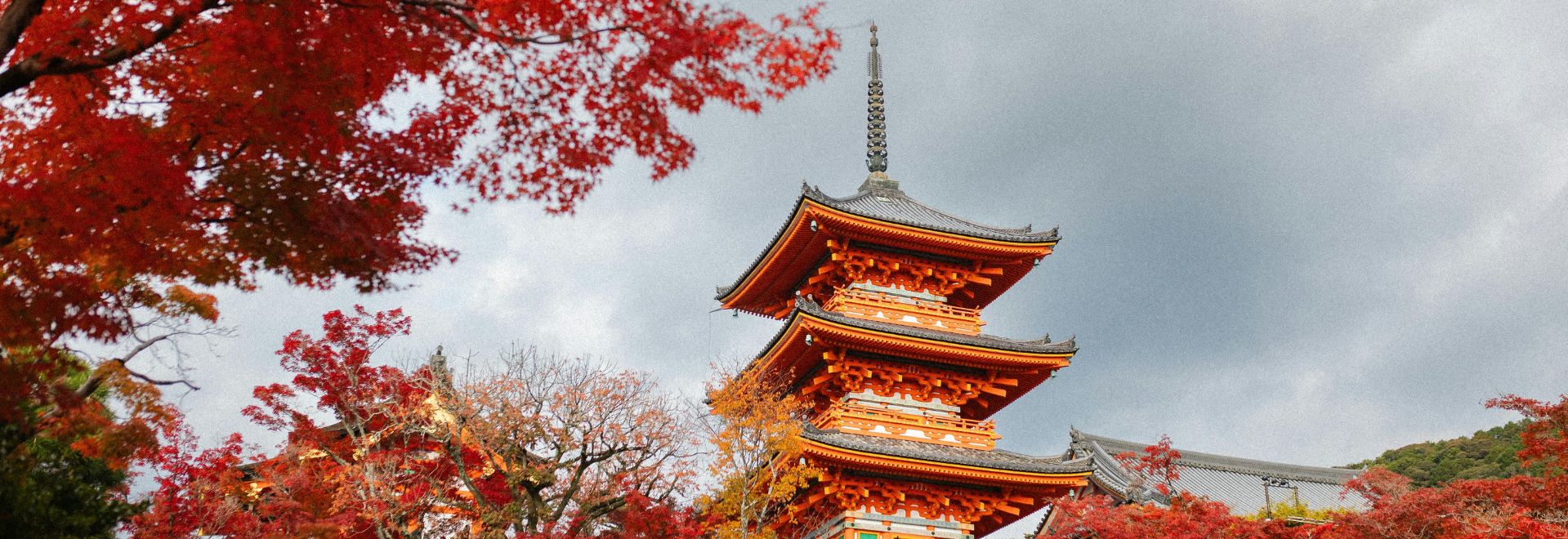
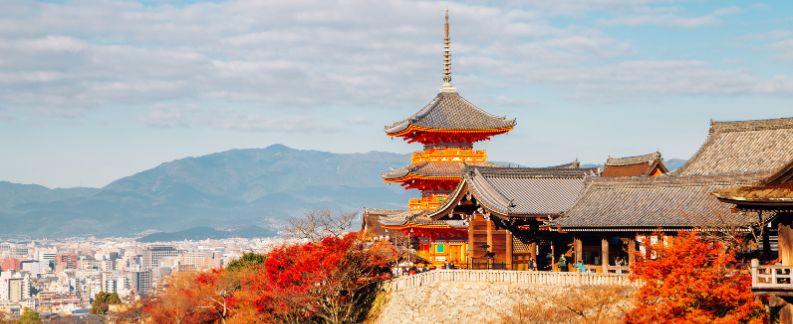
Kiyomizu Temple, one of the most celebrated temples of Japan. It was founded in 780 on the site of the Otowa Waterfall in the wooded hills east of Kyoto, and derives its name from the fall's pure waters. The temple was originally associated
with the Hosso sect, one of the oldest schools within Japanese Buddhism, but formed its own Kita Hosso sect in 1965. In 1994, the temple was added to the list of UNESCO world heritage sites.
Sannenzaka Ninenzaka: Sannen-zaka and Ninen-zaka, a pair of gently sloping lanes that go from Kiyomizu-dera Temple toward Nene-no-Michi Lane, are two of Kyoto's most beautiful streets. Sannen-zaka and Ninen-zaka are a pair of pedestrian-only lanes that provide some of the most ambient strolling in the entire city. They are lined with beautifully restored traditional shophouses and delightfully free of the overhead power lines that blight the rest of Kyoto.
Gion District. Gion is the perfect place to explore the Kyoto of another age. Known as the city's entertainment district, particularly for the refined performers known as geisha (or more properly geiko) who have enthralled patrons for centuries, Gion is full of handsome, understated townhouses and teahouses, restaurants serving traditional Kyoto cuisine, and venerable temples and shrines.
Overnight in Kyoto
Meal(s): Breakfast
Tour duration: 9:00-17:00
Meeting Point: In your hotel lobby
After breakfast, meet your English-speaking guide and explore Kyoto by public transportation.
Nijo Castle, built in 1603 as the Kyoto residence of Tokugawa Ieyasu, the first shogun of the Edo Period (1603-1867). His grandson Iemitsu completed the castle's palace buildings 23 years later and further expanded the castle by adding a five-story castle keep.
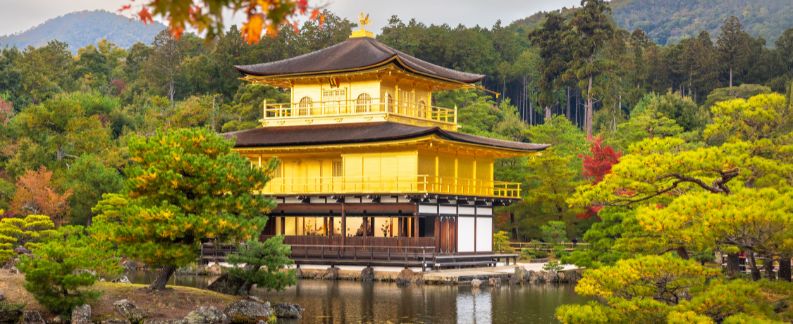
Continue to the Kinkakuji Temple, a Zen temple known for its delicately manicured gardens and floors covered in gold leaf. Formally known as Rokuonji, the temple was the retirement villa of the shogun Ashikaga Yoshimitsu.
Head to Arashiyama. A walk through the Bamboo Grove in Arashiyama is first on the itinerary. The walking paths cut through bamboo groves that have been used for centuries to make traditional crafts. Continue to Tenryuji, ranked first among the city's five great Zen temples, and is now registered as a world heritage site. Tenryuji is the head temple of its own school within the Rinzai Zen sect of Japanese Buddhism.
Nishiki Market, five block long shopping street lined by more than one hundred shops and restaurants. Known as "Kyoto's Kitchen", this lively retail market specializes in all things food related, like fresh seafood, produce, knives and cookware, and is a great place to find seasonal foods and Kyoto specialties, such as Japanese sweets, pickles, dried seafood and sushi.
Overnight in Kyoto
Meal(s): Breakfast
Today is free at leisure. Below is our recommendation. Optional tour
Tour duration: 9:00-17:00 Meeting point: Hotel lobby
After breakfast, meet your English-speaking guide and explore Nara by public transportation.
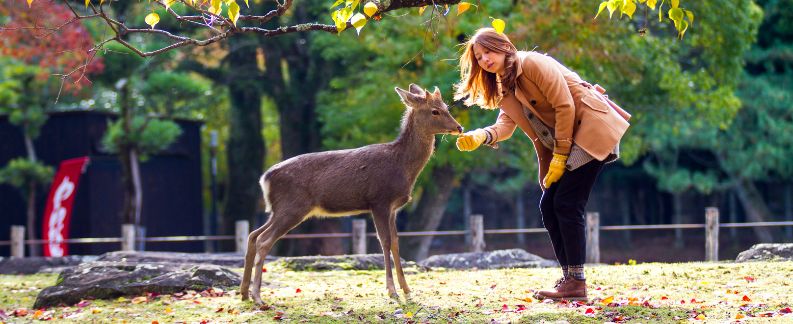
Visit Todaiji and Nara Park to meet the cute deer. Todaiji is one of Japan's most famous and historically significant temples and a landmark of Nara. The temple was constructed in 752 as the head temple of all provincial Buddhist temples of Japan and grew so powerful that the capital was moved from Nara to
Nagaoka in 784 in order to lower the temple's influence on government affairs. Walk across Nara Park on the way to visit Kasuga Taisha Shrine, Nara's most celebrated shrine. It was established at the same time as the capital and is dedicated to the deity responsible for the protection of the city.
Kasuga Taisha was also the tutelary shrine of the Fujiwara, Japan's most
powerful family clan during most of the Nara and Heian Periods. Like the Ise Shrines, Kasuga Taisha had been periodically rebuilt every 20 years for many centuries. In the case of Kasuga Taisha, however, the custom was discontinued at the end of the Edo Period.
Overnight in Kyoto
Meal(s): Breakfast
Meeting point: Hotel lobby
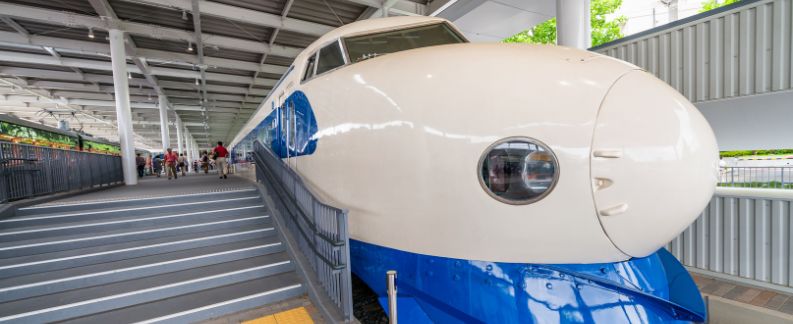
After breakfast and check out from the hotel, head to Kyoto station on own. Take the Bullet train to Nagoya(1st class), then change express train to Takayama(1st class). Upon arrival, head on your own to your hotel.
The rest of the day is at leisure. We recommend a stroll in Takayama's Shitamachi, where centuries-old merchant houses and sake breweries line the streets. Visit one of the breweries and sample the local brew or the famous Hida beef sushi at one of the dedicated food stalls. In Takayama, experience a stay in a ryokan, a traditional Japanese-style inn furnished with low tables
and chairs, shoji sliding doors, and tatami floors.
Overnight in Takayama
Meal(s): Breakfast
Tour Duration: 9:00 – 17:00 Meeting Point: In your hotel lobby
After breakfast, your English-speaking guide will meet you and start visiting Takayama by public transportation.
In the morning, you can have a look at the Miyagawa Market held along the Miyagawa River in the old town. You can find many stands of local vegetables, fruits, and other local products. It is very nice to feel the local atm osphere of the town.
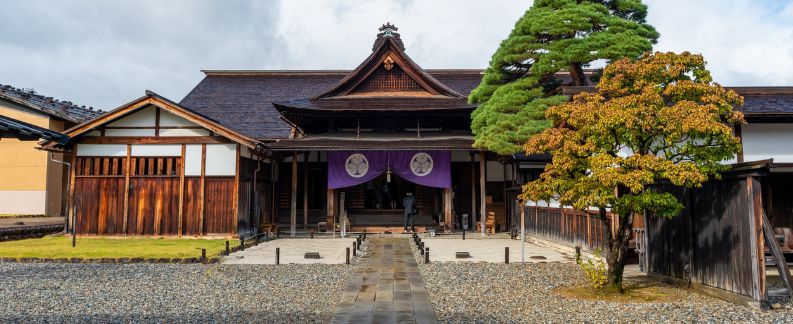
Then go to the Takayama Jinya. It has served as the local government office headed by the officials dispatched from Edo. The building
complex was in official use until 1969, and is now open to the public as a museum. It includes various nicely
maintained tatami mat rooms that once served as offices, conference rooms, guest rooms, and residential spaces. There is also an interesting interrogation room.
Then, take a walk along the old town streets in the city. The southern half of the old town, especially the Sannomachi Street, survives in a particularly pretty state with many old homes, shops, coffee houses, and sake breweries, some of which have been in business for centuries.
Visit the Takayama Matsuri Yatai Kaikan. It is a museum exhibiting the floats of the Takayama festival. It is considered as one of the most beautiful festivals in Japan.
Overnight in Takayama
Meal(s): Breakfast
Tour Duration: 10:00-16:00 Meeting Point: In your hotel lobby
Your English-speaking guide will meet you at the hotel and transfer to Shirakawago by private car.
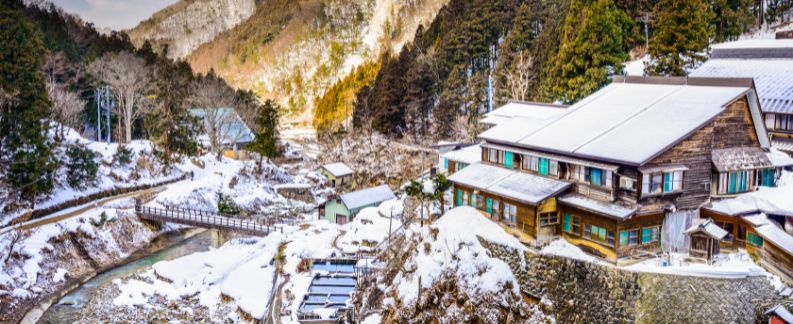
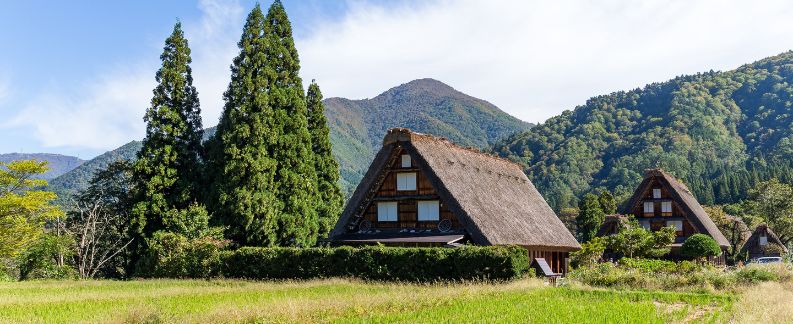
Shirakawago, a UNESCO World Heritage Site known for its gassho zukuri farmhouses. Gassho-zukuri means "built like hands in prayer", represented by the steep thatched roofs of the farmhouses. This architectural style has evolved over many generations - the roofs were built without nails and are intricately designed to with stand large amounts of snow.
These houses are private homes of the locals, but some are open to the public, like the Wada House, a legacy of the Wada family, who used to be the wealthiest family and village chief in Ogimachi.
The tour will end at Shirakawago.
After visiting Shirakawago, transfer to Kanazawa with your driver by private car.
Overnight in Kanazawa
Meal(s): Breakfast
Tour Duration: 9:00-17:00
Meeting Point: In your hotel lobby
After breakfast, you will visit Kanazawa together with your English-speaking guide by public transportation.
Visit Omicho Market, established during the Edo Period, Omicho Market has formed an essential part of Kanazawa’s food culture for more than 280 years. The sprawling market features more than 170 stores, including a large number of fishmongers that sell freshly caught seafood from the Sea of Japan. Particularly well-revered are the crab, yellowtail and shrimp from the Sea of Japan.
Kenrokuen Garden, considered one of Japan’s three most beautiful gardens, Kenrokuen Garden is a must-visit location in Kanazawa. The
name Kenrokuen means —having six factors‖, representing the attributes which bring out the garden’s stunning beauty: spaciousness, tranquility, artifice, antiquity, water sources and magnificent views.
Continue to Kanazawa Castle Park located right next to Kenrokuen Garden. Once the home of the Maeda family, who governed the Kaga Domain – present day Ishikawa and Toyama – for over 280 years, Kanazawa Castle is an essential part of the city’s history. Many features of the castle have been destroyed over its long history – including the original castle tower, which was destroyed in a fire – and many of them have been rebuilt. Two of its longest lasting features are the Ishikawa-mon Gate, which was rebuilt in 1788, and the Sanjikken Nagaya which was rebuilt in 1858. Both of them have been designated as important cultural assets.
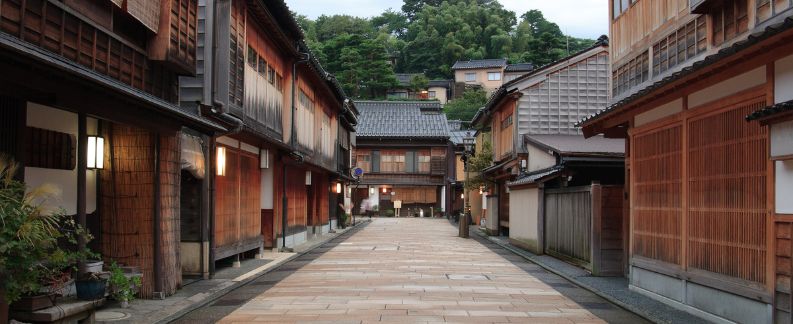
Finish the day in Samurai district of Nagamichi: Samurai and their families used to live in Nagamachi, a samurai district at the base of the historic Kanazawa Castle. With its intact homes, earthen walls, personal entrance gates, little pathways, and water canals, the neighborhood maintains a historic ambience.
Overnight in Kanazawa
Meal(s): Breakfast
Free day at leisure. Visit Jigokudani Monkey Park on your own by public transportation from Yudanaka onsen.
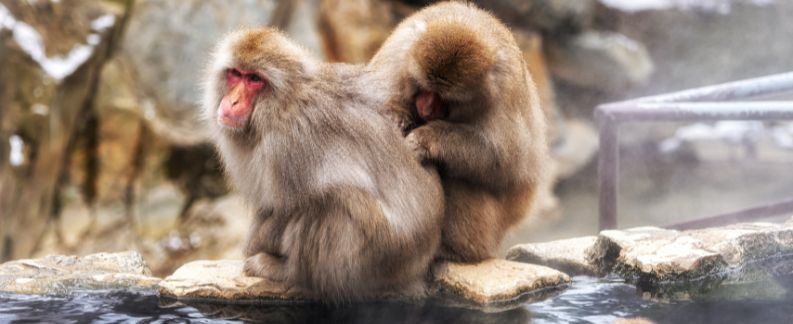
Jigokudani Monkey Park which is located in the Joshinetsu-Kogen National Park, in Nagano Prefecture, to see Snow monkeys. About 200 wild monkeys live in the renowned Jigokudani wild monkey park, where they spend their days relaxing in the on-site hot springs to stay warm during the chilly winter. Snow monkeys are said to only be seen bathing in the wild at this park, which was established in 1964. It takes around 30 minutes to climb either way to the hot springs.
Overnight in Yudanaka Onsen
Meal(s): Breakfast
Tour Duration: TBA
Meeting Point: In your hotel lobby
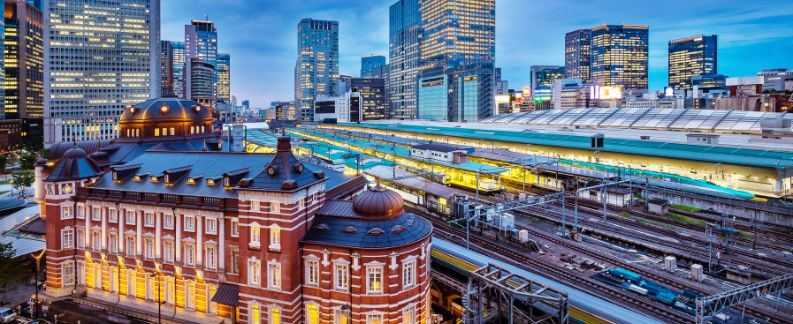
After breakfast, meet your driver and transfer to the Nagano Station by private car. Take the bullet train to Tokyo Station. Upon arrival, head to your hotel on own.
Rest of the day is free at leisure.
Overnight in Tokyo
Meal(s): Breakfast
Tour Duration: 9:00 – 17:00 Meeting Point: In your hotel lobby
After breakfast, meet your English-speaking guide and start your discovery tour of Tokyo by public transportation.
We’ll start with the exquisitely beautiful Edo period Hamarikyu Garden where seawater ponds change with the tides. A traditional teahouse on an island offers visitors a resting place to enjoy the scenery. This traditional green oasis stands in stark contrast to the surrounding skyscrapers of the adjacent Shiodome district.
Continue to Tsukiji Outer Market. A district adjacent to the site of the former Tsukiji Wholesale Market. It consists of a few blocks of wholesale and retail shops, as well as restaurants crowded along narrow lanes. Here you can find fresh and processed seafood and produce alongside food-related goods such as knives.
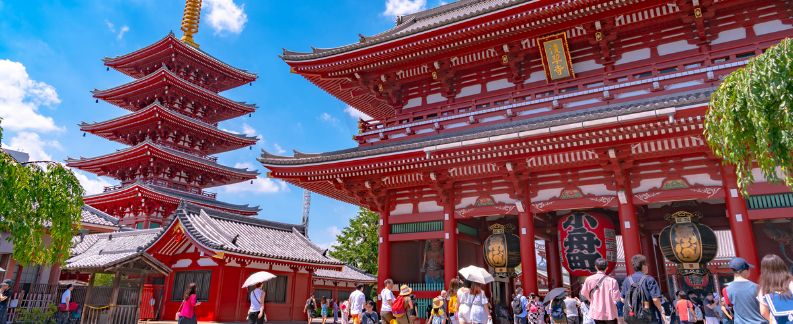
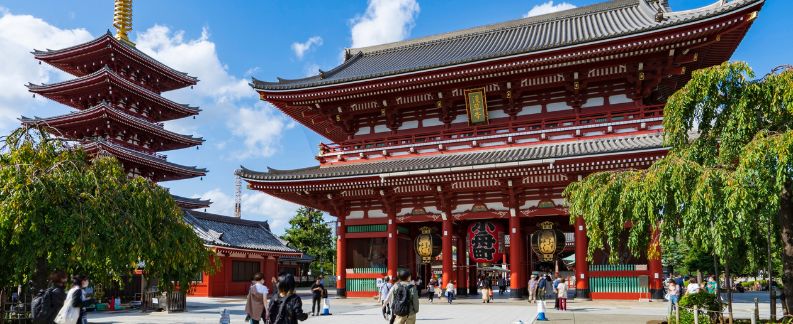
The tour will move on to Asakusa, where we’ll find the Sensoji Temple, a very popular and colorful Buddhist temple. It is one of Tokyo's most colorful and popular temples. The legend says that in the year 628, two brothers fished a statue of Kannon, the goddess of mercy, out of the Sumida River, and even though they put the statue back into the river, it always returned to them. Consequently, Sensoji was built nearby for the goddess of Kannon. No visit to Tokyo would be complete without checking out the shops! We’ll take a walk along Nakamise Street lined with boutiques, souvenir shops and street food outlets.
The last destination is Tokyo Sky Tree, a television broadcasting tower and landmark of Tokyo. It is the centerpiece of the Tokyo Sky tree Town in the Sumida City Ward, not far away from Asakusa. With a height of 634 meters, it is the tallest structure in Japan and the second tallest in the world at the time of its completion. A large shopping complex with an aquarium is located at its base.
Overnight in Tokyo
Meal(s): Breakfast
Full day at leisure. We recommend doing a day trip to Nikko.
It will be an early start today: you will head to Shinjuku Station to catch the express train to Nikko. (approximately two hours driving time) Use local buses which offer sightseeing courses and other public transportation to explore the city on your own self-guided tour!
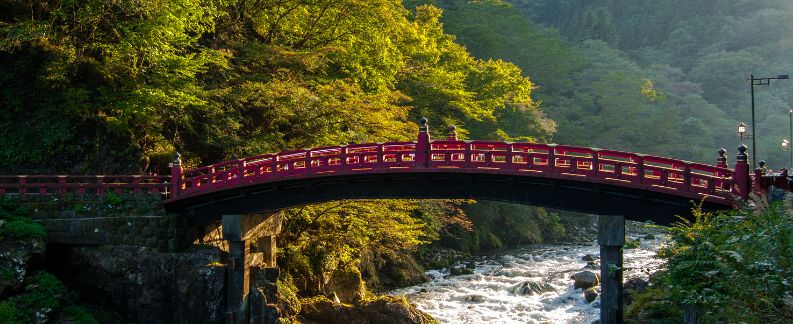
Nikko, located in the mountains north of Tokyo, is known for its rich nature, historic shrines and temples.
Visit Toshogu Shrine, the final resting place of Tokugawa Ieyasu, founding ruler of the Edo Period. The shrine comprises the gilded Yomeimon Gate, the main sanctuary set in a cedar grove and the tomb itself. Initially a relatively simple mausoleum, Toshogu was enlarged into the spectacular complex seen today by Ieyasu's grandson Iemitsu during the first half of the 1600s.
Lake Chuzenji is a scenic lake in the mountains above the town of Nikko. It is located at the foot of Mount Nantai, Nikko's sacred volcano, whose eruption blocked the valley below, thereby creating Lake Chuzenji about 20,000 years ago.
Nature lovers will love the Kegon Waterfall. At a height of almost 100 meters, it is the most famous of Nikko's many beautiful waterfalls. In fact, it is considered as one of the three most beautiful falls in Japan, along with Nachi Waterfall in Wakayama Prefecture and Fukuroda Waterfall in Ibaraki Prefecture.
Transfer back to Tokyo by Express Train and transfer back to the hotel on your own.
Overnight in Tokyo
Meal(s): Breakfast
Full day at leisure. Below are some recommendations to visit on your own.
Kamakura: An hour south of Tokyo, in the Kanagawa Prefecture, is the beach town of Kamakura. When Minamoto Yoritomo decided to establish his new military government there in the late 12th century, the town was transformed into Japan's political hub. For more than a century, first under the Minamoto shogun and later under the Hojo regents, the Kamakura government remained in power in Japan.
The first stop is Hokokuji Temple: Hokokuji is a tiny temple of the Rinzai Sect of Zen Buddhism that is hidden away in the hills of eastern Kamakura.
However, Hokokuji Temple is best renowned for its exquisite, little bamboo grove, which can be located behind the temple's main hall and is covered in more than 2000 stalks of dark green bamboo. A few winding paths through the bamboo lead to a tea house where, for a nominal fee, you can sit and take in views of the bamboo grove while sipping a cup of matcha tea. A number of shallow caverns dug into the hillsides are also found behind the temple; these are thought to contain the remains of some of the later Ashikaga kings.
Kotokuin Temple. Have a look of one of the biggest Buddha statue of Japan.
The Jodo sect's Hasedera temple is renowned for its eleven-headed figure of the goddess of mercy, Kannon. One of the largest wooden sculptures in Japan, the 9.18-meter-tall, gilded statue is housed in the temple's main structure, the Kannon-do Hall. The tall Kannon figure revered at the Hasedera Temple in Nara Prefecture, which is also said to have been carved from the same tree, was allegedly inspired by it.
Tsurugaoka Hachimangu: The most significant shrine in Kamakura is Tsurugaoka Hachimangu. In 1063, Minamoto Yoriyoshi founded it. In 1180, Minamoto Yoritomo, the first shogun of the Kamakura kingdom, expanded it and moved it to its present location. The temple is devoted to Hachiman, the samurai's and the Minamoto family's patron god. At Tsurugaoka Hachimangu Shrine, the deified spirits of the ancient Emperor Ojin also known as Hachiman, Hime-gami, and Empress Jingu are revered.
Overnight in Tokyo
Meal(s): Breakfast
Tour Duration: 9:00 – 17:00 Meeting Point: In your hotel lobby
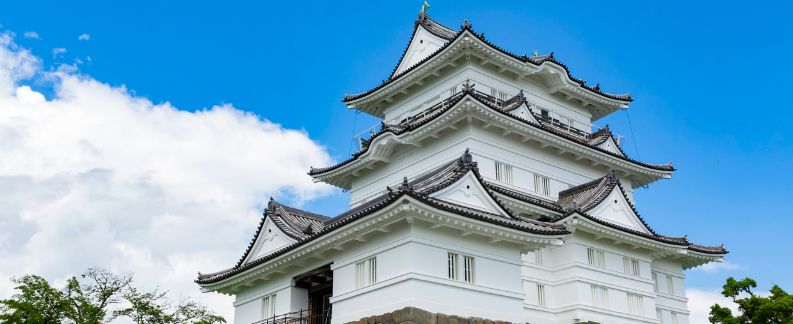
After breakfast, meet your English-speaking guide and head to Hakone by public transportation. First you take bullet train to Odawara station, then change to local public transport to Hakone.
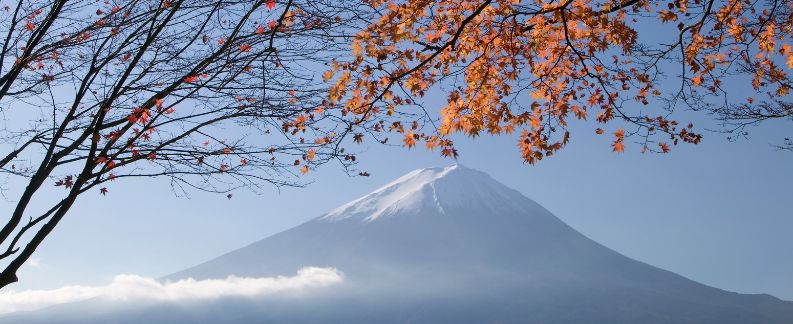
Start to explore the beautiful Fuji Hakone Izu. This national park is home to incredible scenery including the famous Mount Fuji. Sit back and soak in the natural scenery of Lake Ashi on the Pirate Cruise Ship with a use of a special room. From here we’ll get wonderful views and photos of Mount Fuji.
Our next mode of transport is the cable-car known as the Hakone Ropeway. This gives us the chance to glide through the skies looking down on the Japanese countryside. We’ll get off in Owakudani – an active volcanic zone of sulfurous fumes, hot springs and rivers.
Check into the hotel and enjoy the Onsen at your ryokan as well as traditional dinner.
Overnight in Hakone
Meal(s): Breakfast, Dinner
Full day at leisure. Below are some recommendations you to visit on your own.
Okada Museum, a privately-owned museum showcasing a wide collection of art pieces dating from antiquity to the modern era. Opened in 2013, the museum features a large array of East Asian ceramics, sculptures and paintings, all housed in a very spacious,
modern facility surrounded by expansive grounds that feature a Japanese garden, a teahouse and a cafe with hot spring foot bath.
Open Air Museum. It has various different sections and exhibition spaces outdoors and indoors. The Picasso Exhibition Hall is one such space and showcases two stories of paintings, sculptures and ceramic works by the artist in addition to photos of him at various points during his life.
Gora Park: On the steep slope above Gora Station sits Gora Park, a landscape park designed in the Western style. It is a peaceful location to unwind and take in Hakone's beauty and vistas. Gora Park is largely a French-styled park with a rose garden and a sizable fountain. Two greenhouses are also present in the park, one of which holds a tropical botanical garden and the other a flower garden. The Hakuun-do Chaen teahouse and a restaurant with a view of the main fountain are also present.
Overnight in Hakone
Meal(s): Breakfast, Dinner
After breakfast, head to Odawara station on own. Take bullet train from Odawara to Tokyo station. Upon arrival, head to hotel on own.
Free day at leisure until your Team Lab Entrance. You will head on your own to team Lab planets (Tickets Included in the afternoon).
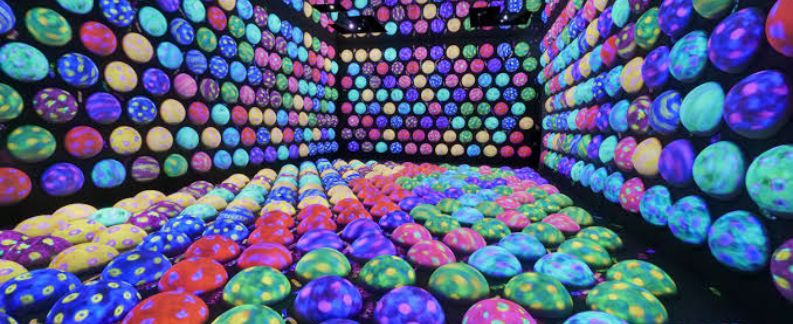
Team Lab Planets: Planets is a very tactile experience that features seven diverse, large-scale works of art - what Team Lab refers to as "body-immersive" works - in four exhibition areas. When they say "body-immersive," they truly mean it: you'll wander about the museum without shoes and occasionally while knee-deep in water (you can stash your shoes and belongings in a free locker before entering). The idea is justified by the fact that, as team Lab argues, boundaries between the self, others, and the world become continuous once the "border between the body and the artwork disappears."
Visitors are expected to interact with the pieces in a way that is far different from how they would at a typical exhibition—more akin to how one could interact with the natural world.
Overnight in Tokyo
Meal(s): Breakfast
Full day at leisure. Below are some recommendations to visit on your own.
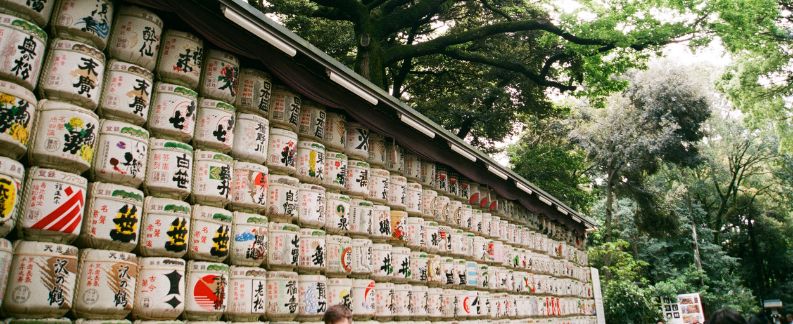
Meiji Shrine. Meiji Jingu is one of the Shinto shrines in Japan, with the vast land of the forest (70 ha.), located in the middle of the megacity, Tokyo. Once you step into this precinct, you will forget that you are in the hustle bustle city, and will find Japanese traditional scene amidst greenery nature.
Right next to Meiji Shrine, there is Harajuku, the center of Japan's most extreme teenage cultures and fashion styles, but also offers shopping for adults and some historic sights. The focal point of Harajuku's teenage culture is Takeshita Dori and its side streets, which are lined by many trendy shops,
fashion boutiques, used clothes stores, crepe stands and fast food outlets geared towards the fashion and trend conscious teens.
Proceed to Shibuya. Shibuya, the chaotic, yet miraculously organized crossing has become a symbol of Tokyo's dynamism and represents Shibuya—Japan's trend-setting powerhouse dedicated to fashion and arts. Join the crowds as they diverge off into the many streets and alleyways to shop and hangout in hip cafes, bars, and restaurants. Spend time appreciating the
area's fiercely independent art scene, or simply visit to experience the rapid-beating heart of Tokyo.
The Hachiko statue in Shibuya is a tribute to the devoted Akita dog who waited at Shibuya Station every day for his master, even after he passed away. It is
one of Japan's famous landmarks. Currently, it ranks among the most well-liked gathering spots in Tokyo.
The Ueno Park in Tokyo is a public outdoor area that is well-liked by both locals and visitors. It is located close to the Ueno station. More than 1,000 cherry trees can be found in the park, making it a popular destination during the cherry blossom season, which typically occurs in late March and early April. Several museums, including the Tokyo National Museum, the National Science Museum, and the National Museum of Western Art & Ueno zoological Garden are among the park's additional attractions.
Overnight in Tokyo
Meal(s): Breakfast
Payment secure by
Copyright © 2016 - 2023, Trinetra Tours Pvt Ltd. Powered By DigiLantern